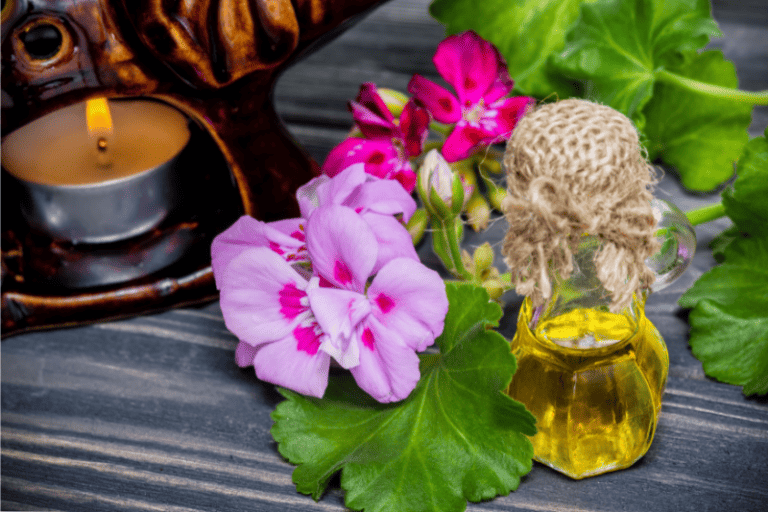
In the past, medicinal plants were the primary remedies for wounds since other options were scarce. Taking the knowledge that is passed on, you can grow plants for wound healing in your garden and use them as home remedies when conventional medicine is not available.
Best Medicinal Herbs for Wound Treatment
Comfrey boasts anti-inflammatory and astringent properties. It also contains allantoin, which promotes new cell growth. However, avoid applying it directly to open wounds, as it contains pyrrolizidine alkaloids that could harm the liver if they enter the bloodstream. Additionally, refrain from using comfrey on dirty wounds, as rapid healing might trap impurities. Instead, apply a comfrey ointment to the wound’s edges. Once a scab forms, you can use a comfrey poultice. Comfrey thrives in zones 4-9 and makes an excellent addition to your garden, attracting birds and bees. It can also be used as a cut flower and requires minimal maintenance.
Chamomile possesses anti-inflammatory and antiseptic properties, making it a valuable natural remedy. Individuals prone to hay fever should use it cautiously, as it may trigger a reaction. Chamomile is an excellent addition to your garden. It thrives in zones 4-9, attracts birds and bees, can be grown in containers, and is known for its low maintenance requirements.

Calendula boasts a multitude of healing properties, including astringent and antimicrobial qualities. It’s known for its ability to detoxify and prevent hemorrhaging. This versatile plant is commonly used for treating a variety of conditions such as cuts, wounds, minor burns, sunburn, acne, rashes, diaper rash, ringworm, and athlete’s foot. Additionally, calendula acts as an astringent and can soothe capillary conditions. My mom often used calendula for various wounds and injuries. You can easily cultivate calendula in your garden, where it will reward you with its vibrant yellow or orange flowers. It readily self-seeds, so choose a location where you don’t mind seeing calendula return each year. Calendula is suitable for planting in zones 2-11, can be used as a cut flower, and requires minimal maintenance.
St. John’s wort is known for its antiviral, wound healing, and anti-inflammatory properties. This versatile plant is commonly used to treat minor burns and wounds, and it has shown particular effectiveness in relieving shingles. It thrives in zones 3-9 and is an excellent choice as a garden plant and as a cut flower. St. John’s wort attracts birds and bees and requires minimal maintenance, making it a valuable addition to any garden.
Lemon Balm, also known as Melissa, is renowned for its antiviral properties and its role as a nerve tonic. It contains polyphenols that combat viruses, making it particularly effective in curbing herpes simplex virus infections responsible for cold sores. This versatile plant has a long history of traditional use for treating wounds and serves as a valuable first-aid remedy for cuts and insect stings. Simply apply lemon balm juice directly to cuts and scrapes as needed. While Lemon Balm typically thrives in zones 3-7, we were able to successfully grow it in Central California, which falls within zone 9. It has a delightful scent when the leaves are crushed.
Lady’s Mantle root, when powdered and mixed with wine, serves as an effective remedy for both internal and external wounds due to its strong astringent properties. This beautiful, low-maintenance plant is suitable for zones 3-8 and can also be used as cut flowers.
Sweet woodruff is known for its wound-healing properties and its effectiveness in treating boils and inflammation. To use it, gather aerial parts of the plant, bruise it, and apply to the wound. Sweet woodruff is a low-maintenance plant, and is an excellent addition to shade gardens, thriving in zones 4-9.
Fresh chervil juice is applied to treat eczema, wounds, and abscesses. This annual herb is commonly grown in gardens and is a delightful addition to culinary dishes.
Horsetail contains strong astringent properties. To use it, mash horsetail aerial parts and apply as a poultice, this will help stop the bleeding. A decoction of this herb, when added to a bath, aids in the healing of sprains, fractures, and skin irritations such as eczema. Horsetail grows in zones 3-11. It is important to note that it can be quite invasive; to control its growth, plant it in a pot. Additionally, be cautious, as horsetail is known to be toxic to horses when ingested.
Purple Loosestrife can be used as a poultice or lotion for wounds. This plant is native to Europe and now widespread throughout most of the USA. It thrives in marshes, along rivers, and on riverbanks. Purple loosestrife typically grows well in zones 4-9.
The aerial parts of Yellow Loosestrife are traditionally used to stop both internal and external bleeding. Its astringent properties make it suitable for cleaning wounds. This plant is typically found growing in damp hedgerows or near water and is well-suited for hardiness zones 4-8.
Wild Geranium root is commonly used to staunch wounds. Native Americans historically used both the root and aerial parts to treat conditions like sore throats, mouth ulcers, and infected gums. It’s essential to be cautious and avoid using it continuously for more than a few weeks. Wild geraniums are typically grown in zones 5-8.
Solomon’s Seal rhizome is known for preventing excessive bruising and stimulating tissue repair. This beautiful plant is a popular choice in gardens and is typically grown in zones 3-9.
Herb Robert is used today as an astringent and wound healer. It is found in Europe, Asia, and North America and typically grows in zones 3-9.
Greater Burnet root, when combined with petroleum jelly, is also utilized for treating burns and wounds. This plant is typically grown in zones 4-8.
Nasturtium, native to Peru, has now become a common sight in gardens worldwide, including Central California. Its flowers and leaves possess antibiotic properties. Additionally, both the flowers and leaves are a tasty addition to salads and are rich in vitamin C. Nasturtium can be grown in a wide range of zones, from 2 to 11.
Mullein is originally from central and southern Europe and western Asia but has become widespread in various temperate regions. Its leaves and flowers are typically collected during the summer. Mullein is known for its emollient properties, which make it an effective wound healer. It can be grown in zones 3-9.
Agrimony’s aerial parts possess anti-inflammatory properties and a remarkable blood-clotting ability, making it useful for wound healing. This herb is gentle enough for use on children. It is native to Europe and is frequently found in marshes and wet meadows. Agrimony typically thrives in zones 6-9.
Wild thyme infusion is an effective remedy used for healing wounds and ulcers. This herb, native to Europe, thrives in barren places and is typically found in growth zones 5-9.
In Chinese medicine, safflower flowers are used for wound cleansing and treatment. Safflower is native to regions in Iran, northwestern India, North America, and the Far East. In the gardens, it typically grows in zones 3-9 but can also be found in the wild.
The crushed flowers of Lady’s Bedstraw are recognized for their ability to alleviate inflammation from minor burns and facilitate healing. This plant can be found throughout Europe, western Asia, and North America, often flourishing in dry meadows, along roadsides, and in wayside locations. It typically grows in zones 3-8.
Best Medicinal Shrubs for Wound Healing

Witch hazel bark decoction has a historical application as an eye poultice and is effective as an eyewash for inflammation. Its high tannin content imparts potent astringent and anti-inflammatory properties. These attributes enhance the skin’s resistance against inflammation and promote the healing of damaged skin. Witch hazel is especially beneficial for managing eczema. It is well-suited for growing in zones 3-8 and is appreciated not only for its therapeutic value but also for its delightful fragrance.
A decoction of raspberry leaves can be applied to treat ulcers and wounds. Raspberry plants typically thrive in zones 3-9.
The latex from East Indian Rosebay (Grape Jasmine) can be used for soothing skin irritations and wound treatment. This plant is primarily grown in India, Malaysia, and Indonesia, and it is suited for zones 4-8.
Best Medicinal Trees for Wounds
Cedar, whether Atlas cedar or eastern red cedar, is known for its antiseptic and astringent properties, which occasionally make it useful for treating wounds and ulcers. These large trees thrive in zones 6-9.
Fringe Tree’s crushed bark is used to treat sores and wounds. This plant is native to the USA, ranging from Pennsylvania to Florida and Texas, and is also found in eastern Asia. It typically thrives in zones 3-9.
Mastic Tree resin has a historical application for treating boils, sores, and ulcers. It is native to the Mediterranean region but can also be cultivated in zones 9-11.
Juniper berries are used for treating wounds, itchy skin, scrapes, and even back problems. To make juniper berry oil, follow these steps:
Juniper Berry Oil
- Begin by soaking 2 cups of juniper berries in water overnight.
- In the morning, strain the berries.
- Macerate the juniper berries in oil for a couple of hours.
- Strain the oil and store it in a dark bottle.
Best Vegetables for Wound Treatment
Cornmeal was used among Native Americans as a poultice to treat various ailments, including bruises, swellings, sores, and boils. Virgil J. Vogel noted that Chickasaw Indians used to treat itchy sores by burning old corncobs and holding the affected area over the smoke.
White cabbage is traditionally used for drawing out pus from sores and wounds. It also possesses antifungal properties. To use it, break down the cabbage leaves and apply them to the affected area.
Garlic contains allicin, a potent antibacterial compound that is released approximately 10 minutes after crushing the garlic. To harness its benefits, crush the garlic, allow it to sit for ten minutes, and then consume it. You can also use garlic powder on wounds if no other option is available.
Succulents to Use for Wound Treatment
The juice extracted from houseleek leaves is a soothing remedy for wounds and boils, providing relief and helping to tighten the skin. While houseleek typically thrives in zones 3-8, I personally know many gardeners that have successfully grown it in zone 9 as well.
Aloe Vera is a low-maintenance plant with strong healing properties. To use it, cleanse the wound with aloe vera gel and then bind the wound with a bandage soaked in the gel. Be sure to change the bandage often for quick healing.
For a list of wild plants for wounds, please continue reading Best Medicinal Plants in the Wild. Also, if you love to use oils, read Best Oils for Wounds, Cuts, and Scrapes.
Works Cited
Chevallier, Andrew. Encyclopedia of Herbal Medicine. New York, New York, Dk Publishing, 2016.
Dian Dincin Buchman. Herbal Medicine. Tiger Books International PLC, Twickenham, 1993.
Duke, James A. The Green Pharmacy : New Discoveries in Herbal Remedies for Common Diseases and Conditions from the World’s Foremost Authority on Healing Herbs. Emmaus, Pa., Rodale Press ; [New York, N.Y, 1997.