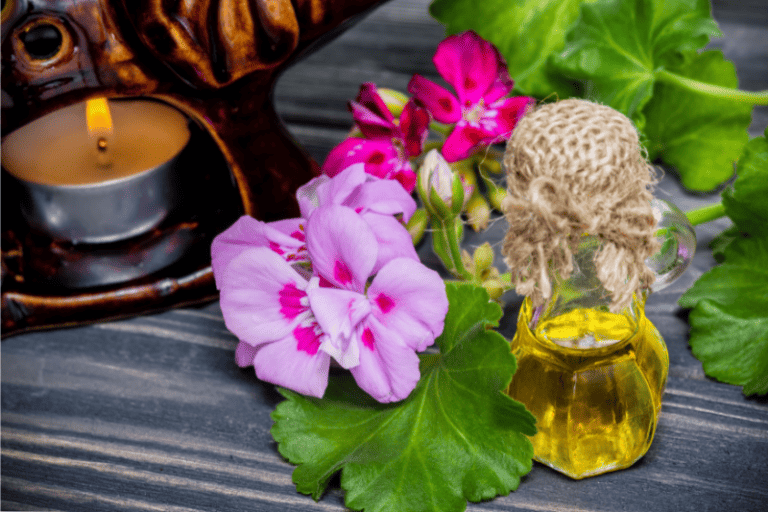
There are numerous wild medicinal plants that can serve as natural remedies for treating wounds in the wilderness when you lack access to other medications. I’ve categorized these plants based on the climates they thrive in when growing in the wild, but it’s important to remember that climates often overlap. Additionally, some plants can adapt to different conditions, even if they have a preference for specific climates. This is particularly true for plants listed under Temperate Climate.
Medicinal Plants in Tropical and Subtropical Climates
Kanghi, also known as Indian Mallow, is used in the form of powdered root or powdered bark infusions, pastes, or poultices for the treatment of wounds and boils. This plant is native to India and Southeast Asia.
Indian Coral Tree paste, made from its leaves, is applied to wounds. This tree grows in the forests of the Indian subcontinent.

Kigelia’s fruit pulp, leaves, bark, and roots possess natural antibacterial, anti-inflammatory, and healing properties. This plant is indigenous to sub-Saharan Africa, eastern Africa, and South Africa.
A poultice made from Curry Tree leaves is applied to wounds and burns. This tree is native to subtropical forests in southern Asia.
Matico leaves, when brewed into a decoction, serve as a valuable, soothing remedy for minor wounds and inflamed skin. This plant is indigenous to tropical South America.
Butterwort, an insectivorous perennial plant, thrives in northern and western Europe, particularly in moorlands and mountainous regions. In warm, humid climates, it can also grow as a perennial. In Norway, butterwort’s leaves were historically used to treat wounds.
Copaiba oleoresin has a history of use in wound healing and scar removal. It is native to tropical South America and southern Africa.
Benzoin gum is a strongly antiseptic resin. Due to its astringent properties, it may be used externally to tighten and disinfect the affected tissue. Grows in tropical rainforests of Southeast Asia. The tree must be at least 7 years old to produce gum.
The latex obtained from the trunk of a papaya tree is utilized to expedite the healing of wounds, ulcers, boils, and warts, while the leaves serve as dressings for wounds. This plant is found in tropical regions around the world.
Canada Hemlock is indigenous to the eastern regions of North America. Native Americans used its bark for wound healing.
Healing Plants in Dry Climate
Dragon’s Blood’s latex, sap, resin, and bark possess potent anti-inflammatory and wound-healing properties. The latex, obtained by cutting the tree, is applied externally to wounds, fractures, skin infections, and insect bites. It promotes tissue healing, has antiseptic properties, and seals wounds from exposure to open air. It is a key remedy for conditions like herpes, shingles, and fungal infections. Internally, it’s used to treat diarrhea and dysentery. Please note that the latex, whether fresh or dried, can permanently stain clothing. Dragon’s Blood is native to northwestern Amazonia.
Myrrh powder is known for its antiseptic, antibacterial, antiviral, astringent, antiparasitic, anti-inflammatory, and antiulcer qualities. It is a potent wound healer. The powder can be applied directly to sores. Myrrh originates from northeast Africa and can also be found in regions such as Ethiopia, Saudi Arabia, India, Iran, and Thailand.
Wild Medicinal Plants in Temperate Climate
Mouse-ear Hawkweed’s aerial parts can be applied as a poultice to heal wounds. It thrives in Europe and the temperate regions of Asia and North America. This plant can display remarkable cold tolerance.
Alder bark decoction can effectively stop internal and external bleeding and promote wound healing. Alder trees are native to Europe, Asia, and North Africa, with a common presence in damp areas and along riverbanks. They are also known to grow in sub-arctic and cool temperate regions.
The poultice made from Spiny Bamboo young sprouts is applied to facilitate the drainage of infected wounds. This plant is commonly found in tropical Asia, including India and China, and is also well adapted to other climates.

Shepherd’s Purse aerial parts were utilized during World War I to staunch bleeding. This versatile plant is effective in stopping various types of bleeding, including nosebleeds and blood in the urine. In Chinese medicine, it is used to alleviate dysentery and eye problems. Shepherd’s Purse is a common weed in most temperate regions and grows well in other climates.
Holy Thistle’s leaves, juice, and powder are used to create a healing balm for wounds and sores. This plant commonly grows as a weed in dry, stony ground.
Native Americans used Blue Flag (wild iris) rhizome to treat wounds and sores. This plant is native to North America and thrives in damp, marshy areas. It is also frequently cultivated as a pond plant.
Levant Storax bark extract is applied externally to promote the healing of skin diseases such as scabies, wounds, and ulcers. This plant is found in southwestern Turkey.
An infusion of Myrtle leaves, known for their astringent, tonic, and antiseptic properties, is used externally to cleanse and heal wounds and ulcers. Native to the Mediterranean region, myrtle is also widely cultivated in California.
For over 2000 years, Pellitory-of-the-Wall’s aerial parts have been used in a balm for wounds and burns. This plant typically thrives on old walls and dry, stony sites.
Common Plantain is an effective remedy for wounds, cuts, and scrapes. It quickly stops bleeding and promotes tissue repair. Native to Europe and temperate regions of Asia, it also grows freely in California yards.
Knotgrass aerial parts are known for their ability to stop bleeding in wounds. This plant is found in temperate regions across the globe.
Balm of Gilead has a history of being used as a salve for scrapes, small wounds, and sunburns. It is typically found in temperate regions and is often cultivated as an ornamental tree.
Tormentil’s aerial parts and root contain more tannins than oak bark, making it a potent astringent. This plant is used to staunch wounds and protect damaged or burned skin. It is commonly found in temperate regions of Asia and Europe.
Self-heal’s aerial parts possess remarkable astringent and wound-healing properties, with tonic activity. This plant is found in temperate regions around the world, particularly in sunny areas.
An infusion made from Figwort’s aerial parts accelerate the healing of wounds. It can be taken internally and applied externally. This plant is native to Europe, Central Asia, and North America, and it thrives in wet or damp places.
Cattail, which grows in freshwater marshes and swamps, has various practical uses. The root and young shoots are edible, while the pollen is astringent and can be used to stop bleeding both internally and externally. Mixing the pollen with honey and taking it internally can help reduce nosebleeds and blood in the urine. You can also apply the mixture externally to scrapes, cuts, and wounds. This versatile plant is found in temperate and tropical zones and is also cultivated.
Healing Wild Plants in Continental Climate
The Mahicans used a decoction of Wild Indigo roots for bathing cuts and wounds. This plant is well-known for its potent antiseptic and immunostimulant qualities, and it can be found growing in North America, ranging from North Carolina to southern Canada.
Both Native Americans and settlers utilized Balsam Fir for various ailments. The Penobscot tribe, for instance, applied the resin (also found in the needle-like leaves) to treat burns, cuts, and sores. This tree grows naturally in North America and is also commercially cultivated for its timber.
Applying Galbanum oleo-gum-resin as an ointment will also assist in wound healing. This plant is native to Central Asia.
Sanicle’s aerial parts have been used as a poultice for treating wounds and minor burns. This plant is native to most of Europe, as well as western and central Asia.
Skunk Cabbages are found in Northern North America. Despite their strong odor, these plant roots can be used as a poultice to draw out splinters, thorns, and heal wounds. It’s important to note that handling fresh Skunk Cabbage might cause the skin to blister.
Wild Medicinal Plants in Polar Climate
Larch resin is utilized for wounds, providing protection and countering infection. This plant is native to the Alps and the Carpathian Mountains of eastern Europe and thrives in regions with cool summers and cold winters.
To further explore natural ways to accelerate wound healing, continue reading Best Garden Plants for Wound Care and Best Oils for Wounds, Cuts, and Scrapes.
Works Cited
Chevallier, Andrew. Encyclopedia of Herbal Medicine. New York, New York, Dk Publishing, 2016.
Dian Dincin Buchman. Herbal Medicine. Tiger Books International PLC, Twickenham, 1993.
Duke, James A. The Green Pharmacy : New Discoveries in Herbal Remedies for Common Diseases and Conditions from the World’s Foremost Authority on Healing Herbs. Emmaus, Pa., Rodale Press ; [New York, N.Y, 1997.
Houdret, Jessica. Home Herbal Doctor. Anness Publishing Ltd, 2009.